Security is an important part of managing any property, whether it is a family home, small business, office, retail store, warehouse, rental property, or commercial facility. Property owners want better visibility, stronger awareness, and a more reliable way to understand what is happening around the spaces they care about. A good security setup can help support those goals by combining cameras, alarms, smart placement, and practical system planning.
In Ottawa, security needs can vary widely. A homeowner may want to monitor entrances, driveways, and garages. A business owner may need coverage for storefronts, staff areas, inventory rooms, and parking lots. A landlord may want better visibility around shared access points. A warehouse may need cameras and alarms for loading zones, doors, and restricted areas.
A professional approach to security camera installation in Ottawa can help property owners avoid guesswork and create a system that fits the layout, risks, and daily use of the property.
Security Planning Should Start With the Property Layout
Every property is different. A system that works well for one home or business may not work for another. The first step in security planning is understanding the layout. This includes entry points, blind spots, lighting, traffic flow, outdoor areas, and the places where visibility matters most.
For homes, important areas may include the front door, back door, side gate, driveway, garage, basement entrance, and backyard. For businesses, important areas may include customer entrances, service counters, storage rooms, employee access points, loading areas, parking lots, and office corridors.
A camera or alarm system should be designed around these real points of activity. Installing equipment without a plan can leave gaps. A camera may record the wrong angle. An alarm sensor may miss an important entry point. A system may look complete but fail to cover the areas that matter most.
Good planning helps create a more reliable and practical setup.
Security Cameras Help Improve Visibility
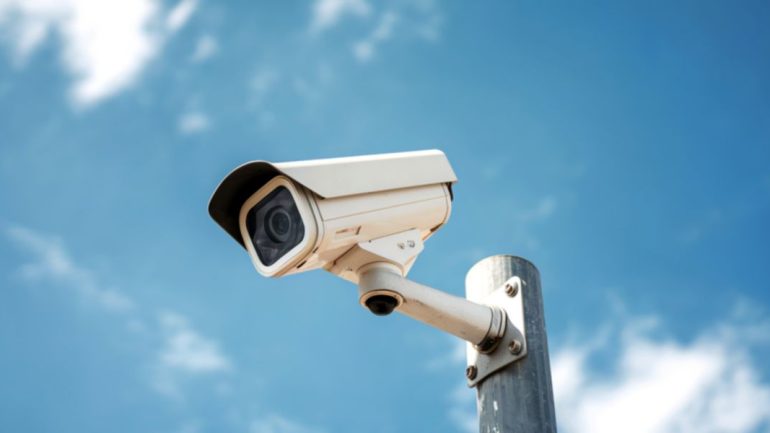
Security cameras give property owners the ability to see and review activity around important areas. This can be useful for homes, businesses, rental properties, and commercial spaces. Cameras can help monitor entrances, driveways, parking areas, reception spaces, hallways, warehouses, garages, and other key locations.
The value of a camera system depends heavily on placement and quality. A camera that is too far away may not capture useful detail. A camera facing glare may provide poor footage. A camera without proper night visibility may not perform well after dark. Outdoor cameras also need to be suitable for weather and changing light conditions.
A well-planned system considers camera type, angle, field of view, lighting, recording needs, and remote access. The goal is not simply to install cameras. The goal is to create useful visibility where it matters.
For many property owners, cameras provide a clearer picture of daily activity and help them respond more confidently when something needs attention.
Alarm Systems Add an Important Detection Layer
Cameras are useful for visibility, but alarms add another layer of awareness. Alarm systems can help detect entry, movement, or unusual activity depending on how they are configured. For homes and businesses, this can provide an important alert system when someone accesses a protected area without permission.
A property may use door sensors, window sensors, motion detectors, keypads, sirens, mobile alerts, or monitoring options. The right setup depends on the property’s layout and security goals.
A homeowner may want sensors on doors, windows, and garage access points. A retail store may need after-hours protection for the main entrance, storage room, and cash area. A warehouse may require alarms around loading docks, side doors, and restricted zones.
A strong alarm system for homes and businesses should be easy to use, properly placed, and designed around real access points. If a system is too complicated, people may not use it consistently. If it is too limited, important areas may remain uncovered.
Residential Security Needs Practical Coverage
Home security should be practical and easy to manage. Most homeowners want coverage that improves confidence without making daily life complicated. A residential system may include outdoor cameras, indoor cameras, door sensors, motion detection, alarm alerts, and mobile access.
The most important areas often include entry doors, garages, driveways, yards, basement doors, and side entrances. These areas are different for every home, which is why planning matters. A townhouse, detached home, condominium, and rural property may all need different equipment and placement.
Residential security systems should also be user-friendly. If homeowners cannot easily arm the alarm, check camera footage, or receive alerts, the system may not be used properly. A good setup should fit the way the household actually lives.
The best residential systems balance coverage, convenience, and ease of use.
Business Security Requires a More Detailed Approach
Business properties often have more complex needs than homes. A business may need to protect inventory, equipment, customer areas, staff spaces, records, cash-handling zones, and outdoor property. It may also need to monitor activity during business hours and after closing.
A small retail store may need cameras at entrances, checkout areas, storage spaces, and the exterior. An office may need coverage for reception, access points, and shared areas. A warehouse may need cameras and alarms around loading docks, inventory zones, and parking areas. A restaurant may need visibility around entrances, service areas, and delivery points.
Business security should support operations without creating unnecessary complications. The system should be reliable, easy to review, and appropriate for the property’s daily workflow.
A professional plan can help business owners choose equipment and placement that support both security and practical oversight.
Camera Placement Makes a Major Difference
Camera placement can determine whether a system captures useful footage or misses important details. A camera pointed in the wrong direction may leave blind spots. A camera placed too high may not capture faces or details clearly. A camera facing direct light may record poor images. A camera installed too far from the target area may not provide useful visibility.
Good placement starts by identifying the areas that matter most. These may include doors, parking lots, driveways, hallways, reception areas, stock rooms, garages, and loading zones. The camera angle, height, distance, and lighting should all support the purpose of the camera.
Outdoor cameras need to account for weather, low light, snow, glare, and seasonal changes. Indoor cameras should provide useful coverage without interfering with privacy or daily operations.
A well-placed camera system can make the difference between having footage and having footage that is actually useful.
Remote Access Can Make Security Easier to Manage
Modern security systems often allow users to view cameras, receive alerts, and manage settings from a phone, tablet, or computer. This can be helpful for homeowners, business owners, landlords, and property managers who are not always on site.
Remote access can allow someone to check live camera views, review recorded footage, confirm alerts, or monitor specific areas. A business owner may check the property after hours. A homeowner may review activity while away. A property manager may monitor shared spaces when appropriate.
However, remote access should be configured securely. Strong passwords, controlled access, updates, and proper network setup all matter. A security system should make management easier without creating unnecessary digital risks.
When remote access is set up properly, it can make security systems more convenient and useful in everyday life.
Storage and Recording Should Be Planned Carefully
Security footage is only useful if it is recorded and stored properly. Property owners should understand how long footage is saved, how it can be accessed, and whether storage capacity matches their needs.
A small home system may need only a basic recording setup. A business with multiple cameras may need more storage and easier search features. A property with high activity may require more careful planning because footage can fill storage faster.
Recording settings also matter. Continuous recording, motion-based recording, resolution, frame rate, and retention time can all affect storage needs. Higher-quality footage may require more storage, while lower-quality footage may not provide enough detail.
A good system should balance image quality, storage capacity, and practical access. Property owners should be able to review footage when needed without confusion.
Security Systems Should Be Scalable
Security needs can change over time. A homeowner may renovate, add a garage, or improve outdoor areas. A business may expand inventory, hire more staff, open another location, or change its operating hours. A landlord may add units or improve shared access areas.
A scalable system makes future upgrades easier. Instead of replacing everything, the property owner may be able to add cameras, sensors, storage capacity, or new features as needs grow.
This is especially important for commercial properties and growing businesses. A quick low-cost setup may solve one immediate issue, but it may become limiting later. A more thoughtful plan can support both current needs and future changes.
Scalability helps property owners protect their investment and avoid unnecessary system replacements.
Professional Installation Helps Reduce Common Problems
Some property owners attempt to install cameras and alarms on their own. Simple devices may work for basic needs, but more complete systems often require proper planning, placement, wiring, configuration, and testing.
Common problems with poorly installed systems include weak camera angles, unreliable connections, false alarms, poor night visibility, missing footage, difficult controls, and uncovered entry points. These issues can reduce the value of the system.
Professional installation helps address these details before they become problems. A trained installer can help choose proper locations, configure recording, test sensors, set up alerts, and make sure the system is easier to use.
For homeowners and businesses, the benefit is not only the equipment. It is the confidence that the system was planned and installed with the property in mind.
Maintenance Keeps Security Systems Reliable
Security systems should be reviewed and maintained over time. Cameras may need cleaning. Outdoor equipment may need inspection after harsh weather. Sensors may need testing. Batteries may need replacement. Software or firmware may need updates. Recording storage may need review.
A camera that worked well during installation may later be blocked by dirt, snow, landscaping, or a changed lighting condition. An alarm sensor may need adjustment if a door or window shifts. A recording system may need storage checks to confirm footage is being saved properly.
Maintenance helps keep the system dependable. This is especially important for businesses that rely on cameras and alarms for daily operations and incident review.
A security system should not be treated as something that is installed once and forgotten. Regular checks help protect its long-term performance.
Local Security Support Can Be Helpful in Ottawa
Ottawa properties face a range of practical conditions, from residential neighbourhoods and commercial buildings to industrial spaces and rental properties. Seasonal weather, outdoor lighting, building age, property layout, and daily use can all affect security planning.
A local provider can help property owners think through these details. Outdoor cameras should be suitable for seasonal changes. Alarm systems should match real entry points. Business systems should support operating hours and property activity.
Local support can also make communication easier when planning, installing, troubleshooting, or expanding a system. Property owners often benefit from working with someone who understands the area and the types of properties being protected.
For Ottawa homeowners and businesses, local knowledge can make security planning more practical and effective.
Better Security Starts With the Right System Design
A strong security system is not only about buying cameras or alarms. It is about designing the right setup for the property. The best system depends on layout, lighting, entry points, recording needs, remote access, alarm coverage, and future growth.
A thoughtful plan can help reduce blind spots, improve visibility, support better alerts, and make the system easier to manage. It can also help property owners avoid unnecessary equipment or weak coverage.
Whether the goal is home protection, business oversight, property monitoring, or after-hours awareness, the right system should fit the way the property is used.
Property owners who want dependable security camera and alarm solutions can benefit from planning that connects equipment, placement, and usability.
Security Systems Support Confidence and Preparedness
No security system can remove every risk, but a well-planned setup can help property owners feel more prepared. Cameras can improve visibility. Alarms can provide alerts. Remote access can make monitoring more convenient. Professional installation can support reliability. Maintenance can keep the system working over time.
For homeowners, this may mean feeling more confident when away from the house. For businesses, it may mean better oversight of entrances, staff areas, inventory, and after-hours activity. For landlords and property managers, it may mean improved visibility around shared areas where appropriate.
A practical security system should support everyday use. It should be clear, reliable, and suited to the property.
With the right planning, Ottawa homes and businesses can create stronger security foundations and better visibility where it matters most.